Table of Contents
ToggleWheaton homeowners are sitting on a goldmine. With rising property values and a competitive real estate market, strategic remodeling projects are delivering serious returns, not just in resale value, but in day-to-day livability. Whether you’re planning a full kitchen overhaul or updating a cramped bathroom, understanding the local landscape, permitting process, and realistic budgets will save you time, money, and frustration. This guide walks through the most popular projects in Wheaton, what they actually cost, and when to tackle them yourself versus calling in the pros.
Key Takeaways
- Home remodeling in Wheaton is a smart investment, with rising property values and normalized supply chains making kitchen and bathroom upgrades more affordable and timely than ever.
- Kitchen renovations ($35,000–$60,000) and bathroom updates ($18,000–$35,000) remain the most popular projects, with quartz countertops and curbless walk-in showers dominating homeowner preferences.
- Always budget for a 10–20% contingency and obtain permits for structural, electrical, plumbing, and major work—skipping permits risks closing delays and insurance claim denials.
- DIY demolition, painting, and fixture installation can save money, but load-bearing walls, electrical work, gas lines, and structural repairs require licensed professionals to ensure safety and code compliance.
- Get three contractor quotes minimum, budget 4–8 weeks for typical kitchen projects, and verify that permits are pulled before work begins to avoid costly delays.
Why Wheaton Homeowners Are Choosing to Remodel Now
Home values in Wheaton have climbed steadily over the past three years, making renovation investments more attractive than moving. Many homeowners are choosing to upgrade their current properties rather than face higher mortgage rates and slim inventory. Interest in aging-in-place modifications, wider doorways, zero-threshold showers, first-floor primary suites, is also driving demand.
Energy efficiency upgrades are another major motivator. Older homes in established Wheaton neighborhoods often have original windows, minimal insulation, and outdated HVAC systems. Replacing single-pane windows with double-pane, Low-E glass can cut heating and cooling costs by 20–30%, and homeowners who’ve tackled these projects report noticeable comfort improvements within the first season.
Supply chain disruptions that plagued 2022–2023 have largely stabilized, so lead times for cabinets, appliances, and fixtures are back to predictable windows. Contractors who were booked six months out are now quoting projects with 4–8 week start dates. Lumber prices have also normalized, bringing framing and trim costs down from their pandemic peaks.
Most Popular Home Remodeling Projects in Wheaton
Kitchen Renovations That Add Value
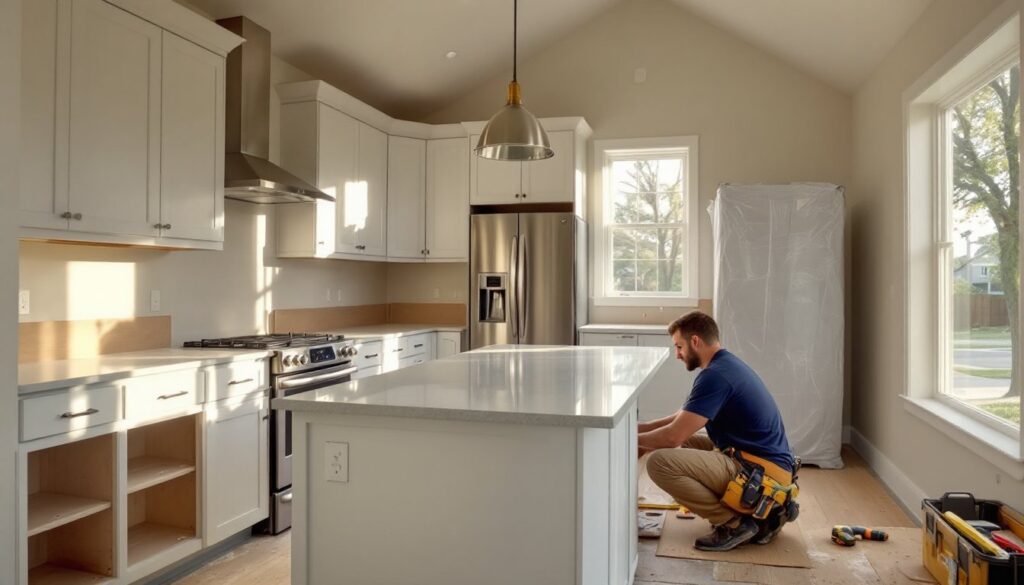
Kitchen remodels remain the top project for Wheaton homeowners, and for good reason: they’re where families spend the most time and where buyers scrutinize hardest. A mid-range kitchen renovation, new cabinets, countertops, appliances, and flooring, typically runs $35,000–$60,000 in the Wheaton area, depending on material choices and square footage.
Quartz countertops have overtaken granite as the default choice, offering consistent patterning and zero sealing requirements. Expect to pay $60–$90 per square foot installed for mid-grade quartz. For cabinets, shaker-style doors in white or gray remain popular, but walnut and navy accents are gaining traction. Stock cabinets from Home Depot or Lowe’s run $100–$300 per linear foot, while semi-custom options (Kraftmaid, Wellborn) start around $200–$500 per linear foot.
Open shelving is falling out of favor, homeowners realize dust accumulation and visual clutter outweigh the airy aesthetic. Instead, upper cabinets with glass-front inserts on a few select doors offer display space without the maintenance headache. If you’re doing the demo yourself, rent a 20-yard dumpster for approximately $400–$500 to handle old cabinets, countertops, and flooring.
Bathroom Updates for Modern Living
Bathroom projects deliver strong returns with smaller budgets. A full primary bath remodel in Wheaton averages $18,000–$35,000, while a powder room refresh can come in under $8,000. Walk-in showers with curbless entries and linear drains are replacing tub-shower combos, especially in primary suites.
Tile selection makes or breaks the project. Large-format porcelain tiles (12×24 inches or larger) minimize grout lines and speed up installation. For shower walls, many contractors recommend design inspiration platforms to help homeowners visualize tile patterns before committing. Budget $8–$15 per square foot for quality porcelain tile, plus another $5–$10 per square foot for professional installation.
Vanity upgrades are straightforward DIY wins if you’re comfortable with basic plumbing. Swapping a builder-grade vanity for a 36-inch or 48-inch floating model instantly modernizes the space. Just confirm your drain and supply line locations match the new vanity layout, if not, you’ll need a plumber to relocate them, which adds $200–$400 to the job.
Ventilation is code-required and often overlooked. DuPont County building code (which covers Wheaton) mandates either an operable window or a ventilation fan rated for the bathroom’s square footage. For bathrooms over 100 square feet, you’ll need a fan rated at least 1 CFM per square foot. Panasonic WhisperCeiling fans are quiet, reliable, and easy to install in existing ceiling joists.
Planning Your Wheaton Remodeling Budget and Timeline
Set your budget before you browse showrooms. Real-world Wheaton remodeling costs break down roughly as follows: 25–35% for labor, 30–40% for materials, 10–15% for permits and fees, and 10–20% contingency. That contingency isn’t optional, hidden rot, outdated wiring, and structural surprises are common in homes over 30 years old.
Timeline expectations:
- Kitchen remodel: 6–10 weeks from demo to final walkthrough
- Full bathroom: 3–5 weeks
- Basement finishing: 8–12 weeks
- Whole-home exterior (siding, windows): 2–4 weeks depending on weather
Add 1–2 weeks to any timeline for permit approval and inspections. For major projects, many Wheaton homeowners find that using cost estimation tools helps them understand regional pricing before meeting contractors.
Financing options include home equity loans (fixed rate, lump sum), HELOCs (variable rate, draw as needed), and cash-out refinancing if current rates make sense. Some contractors offer financing through third-party lenders, but compare APRs carefully, they can run 8–15%, which is higher than most secured home equity products.
Get three quotes minimum. A spread of 15–25% between quotes is normal, but if one bid is 40% lower than the others, dig into what’s excluded. Cheap bids often skip underlayment, proper flashing, or final trim details that you’ll pay to fix later.
Navigating Wheaton Permits and Regulations
Wheaton operates under DuPont County building jurisdiction, and permits are required for most structural, electrical, plumbing, and HVAC work. You don’t need a permit for cosmetic updates, painting, flooring, cabinet refacing, but you do for:
- Moving or removing walls (load-bearing or not)
- Adding or relocating plumbing fixtures
- Electrical work beyond replacing switches or outlets
- Window or door replacements that alter rough openings
- Deck construction or structural repairs
- Roofing (permits are required for full tear-offs)
Permit fees in Wheaton vary by project scope. Expect $150–$300 for a kitchen or bathroom remodel, $300–$600 for a deck, and $100–$200 for electrical or plumbing-only work. Submitting plans typically takes 1–2 weeks for approval, and inspections are scheduled at key milestones (rough-in, insulation, final).
Skipping permits is tempting but risky. If you sell the house, unpermitted work can derail closing or force you to bring everything up to code retroactively. Homeowners insurance may also deny claims if unpermitted work contributed to damage.
For most DIYers, hiring a licensed contractor simplifies permitting, they pull the permits, schedule inspections, and take responsibility for code compliance. If you’re pulling your own permits, be ready to provide detailed drawings, material specs, and proof of homeowner occupancy.
DIY vs. Hiring Professionals: What Makes Sense for Your Project
Tackle cosmetic and finish work yourself: leave structural, electrical, plumbing, and gas work to licensed pros. Here’s a realistic breakdown:
Good DIY candidates:
- Painting (interior and exterior)
- Installing laminate or engineered hardwood flooring
- Replacing vanities, faucets, and light fixtures
- Building decks under 200 square feet (permits still required)
- Installing trim, baseboards, and crown molding
- Demolition (cabinets, drywall, flooring removal)
Hire a professional for:
- Load-bearing wall removal or modification
- Electrical panel upgrades or circuit additions (requires licensed electrician per NEC)
- Gas line work (requires licensed plumber or gas fitter)
- Structural framing, foundation work, or roof repairs
- HVAC installation or ductwork modifications
- Tile showers with custom pans (waterproofing failures are expensive)
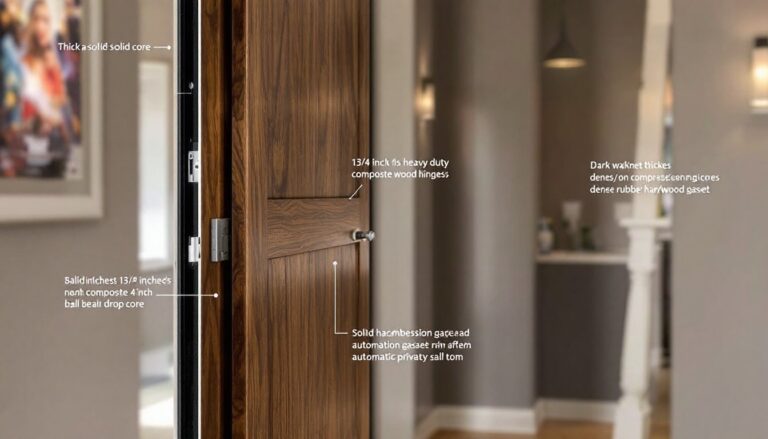
Some projects fall in between. Installing a pre-hung door is manageable for an intermediate DIYer with a level, shims, and patience. But if the rough opening needs reframing or the floor isn’t level, call a carpenter. Researching contractor reviews and ratings helps homeowners find qualified professionals when the project exceeds their skill level.
Safety note: Always wear safety glasses, hearing protection, and dust masks when demoing, cutting, or sanding. Use a corded circular saw with a sharp blade for plywood and framing cuts, battery-powered saws work for small jobs but bog down on sustained ripping. If you’re cutting pressure-treated lumber, wear a respirator with P100 filters: the preservatives release fine dust that’s hazardous over time.
Know when to call for backup. Permit inspections failing, discovering knob-and-tube wiring, or hitting unexpected structural issues are all signs to bring in a pro. A few hundred dollars for a consultation beats a costly mistake or safety hazard.