Table of Contents
ToggleNassau County’s housing stock, much of it built in the post-war boom, is ripe for updates. Whether a homeowner is dealing with outdated kitchens from the 1970s, aging bathrooms with cracked tile, or inefficient HVAC systems, remodeling projects offer both immediate comfort and long-term value. The region’s mix of ranch homes, colonials, and split-levels presents unique opportunities and challenges. Add in the area’s higher-than-average cost of living and strict building codes, and it’s clear: successful remodeling here demands planning, realistic budgets, and a solid understanding of local regulations. This guide walks through what’s driving Nassau County renovations, which projects deliver the best return, and how to navigate permits, contractors, and timelines without blowing the budget.
Key Takeaways
- Home remodeling in Nassau County offers better value than selling when moving costs and higher home prices are factored in, making kitchen and bathroom upgrades your best ROI investments.
- Kitchen remodels typically cost $30,000–$60,000 for mid-range upgrades, while electrical panel upgrades (often necessary in older homes) run $2,500–$4,000 and are critical for supporting modern appliances.
- Bathroom renovations require proper waterproofing membranes and exterior-vented exhaust fans to meet Nassau County plumbing and building codes and prevent costly mold damage.
- Set a realistic budget with a 15–20% contingency for hidden issues, and prioritize structural and mechanical systems over cosmetics before addressing finishing touches.
- Always pull required permits for electrical, plumbing, structural, and HVAC work; hire licensed contractors who verify workers’ compensation insurance and provide detailed written contracts tied to project milestones.
- Plan for 6–10 weeks for full kitchen remodels and 3–5 weeks for bathroom renovations, accounting for permit approvals, material backlogs, and inspection scheduling delays common in Nassau County.
Why Nassau County Homeowners Are Investing in Remodeling Projects
Nassau County’s median home prices continue climbing, making moving more expensive than improving. When relocation costs include closing fees, realtor commissions, and higher mortgage rates, many homeowners choose to invest in their current property instead.
The county’s aging housing stock is another driver. Homes built in the 1950s through 1970s often have original electrical panels, single-pane windows, and limited insulation. Upgrading these systems isn’t just cosmetic, it’s about energy efficiency, safety, and comfort. Modern heat pumps, LED-compatible wiring, and double-pane windows can cut utility bills significantly.
Local market dynamics matter, too. Nassau County’s strong school districts and proximity to New York City keep property values high. A well-executed remodel, especially kitchens and bathrooms, can preserve or boost equity. Homeowners also want spaces that work for remote work, multigenerational living, or aging in place. Adding a first-floor bedroom suite or converting a basement into a home office directly addresses these needs without the hassle of selling and buying in a competitive market.
Top Home Remodeling Projects Worth Considering in Nassau County
Not all remodels deliver equal value. Focus on projects that improve daily function, meet current building codes, and appeal to future buyers if resale is on the horizon.
Kitchen Remodeling: The Heart of Your Home
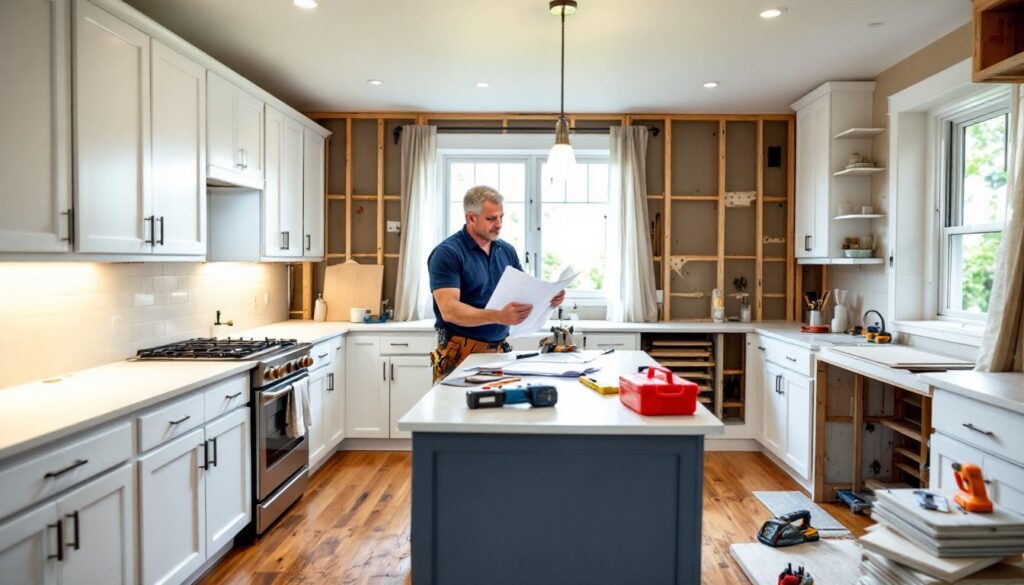
Kitchen remodels consistently rank among the best investments. Nassau County kitchens often suffer from cramped layouts, laminate countertops, and builder-grade cabinets. A mid-range kitchen upgrade, new shaker-style cabinets, quartz countertops, stainless appliances, and a tile backsplash, can run between $30,000 and $60,000 depending on square footage and material choices.
Structural changes cost more. Removing a non-load-bearing wall to open the kitchen to the dining room requires a permit and possibly an engineer’s stamp. If the wall is load-bearing, expect a laminated veneer lumber (LVL) beam installation, which adds labor and material costs. Electrical updates are common: many older homes have 60-amp or 100-amp panels that can’t support modern appliance loads. Upgrading to 200-amp service is often necessary and runs $2,500 to $4,000.
Flooring matters. Luxury vinyl plank (LVP) offers water resistance and durability at $3 to $7 per square foot installed. Porcelain tile costs more, $8 to $15 per square foot, but handles spills and high traffic better. Avoid laminate in kitchens: moisture from dishwashers and sinks causes edge swelling.
Bathroom Renovations That Add Value
Bathrooms are the second-highest ROI remodel. Nassau County homes with one or two bathrooms benefit most from adding a half-bath or updating a dated full bath. A basic bathroom refresh, new vanity, toilet, tub surround, and tile floor, costs $8,000 to $15,000 for a 5×8-foot space.
Plumbing and layout changes increase costs quickly. Moving a toilet or shower drain requires cutting into the subfloor and possibly the ceiling below. If the home sits on a slab foundation, this is even more invasive. Work with a licensed plumber familiar with Nassau County’s plumbing code amendments.
Waterproofing is non-negotiable. Use a sheet membrane (like Schluter KERDI) or liquid-applied waterproofing behind all tile in wet areas. Skipping this step leads to mold, rot, and expensive repairs. Cement backer board alone isn’t waterproof, it’s water-resistant. The membrane is what actually stops moisture.
Ventilation codes require an exhaust fan vented to the exterior, not into an attic. A quiet fan rated at 50 CFM for a standard bathroom (or 1 CFM per square foot) prevents mold and meets code. Install it on a timer or humidity sensor switch for better moisture control.
How to Budget for Your Nassau County Home Remodeling Project
Nassau County remodeling costs run higher than national averages. Labor rates for licensed electricians, plumbers, and carpenters range from $75 to $150 per hour. Material costs also reflect the region’s market, drywall, lumber, and fixtures cost more here than in less urbanized areas.
Start with a detailed scope. List every material, fixture, and task. For a kitchen, that means cabinets, countertops, sink, faucet, appliances, flooring, backsplash, lighting, electrical work, plumbing, drywall repair, painting, and disposal. Each line item needs a cost and a contingency.
Build in a 15-20% contingency for surprises. Open a wall in a 1960s ranch, and there’s a good chance of finding outdated wiring, asbestos-wrapped pipes, or termite damage. These aren’t optional fixes, they’re safety and code issues.
Financing options vary. Home equity lines of credit (HELOCs) offer lower rates than personal loans, but they use the home as collateral. Cash-out refinancing works if current rates are competitive. For smaller projects, a 0% APR credit card with a 12-18 month intro period can work if the balance is paid off before interest kicks in.
Prioritize structural and mechanical systems over finishes. A new backsplash won’t matter if the plumbing stack is failing or the roof is leaking. Fix the bones first, then move to cosmetics. Planning tools from HomeAdvisor help estimate project costs based on local data and connect homeowners with vetted contractors in the area.
Navigating Nassau County Permits and Regulations
Nassau County enforces the New York State Building Code with local amendments. Most structural, electrical, plumbing, and HVAC work requires a permit. Cosmetic updates, paint, flooring (without subfloor work), cabinet replacement, typically don’t.
Permit requirements include:
- Electrical: Any new circuits, panel upgrades, or rewiring. Changing a light fixture doesn’t require a permit: adding recessed cans does.
- Plumbing: Moving fixtures, adding bathrooms, or replacing water heaters.
- Structural: Removing or altering walls, adding windows or doors, or modifying floor joists.
- HVAC: Installing or replacing furnaces, central air, or ductwork.
Permit fees vary by project scope but generally range from $100 to $500. Inspections follow at key stages: rough-in (before covering walls), insulation, and final. Missing a required permit can complicate future sales or insurance claims. Buyers’ attorneys in Nassau County routinely ask for permits during closing.
Working without permits is common but risky. If an inspector notices unpermitted work during a different project, they can red-tag it and require everything to be opened up for inspection. Hiring a licensed contractor reduces this risk, they pull permits as part of the job and know what inspectors expect.
Some towns within Nassau County have additional rules. For example, certain historic districts limit exterior changes. Check with the local building department early in the planning process. Resources from Angi include guides on permit requirements and contractor reviews for Nassau County projects.
Choosing the Right Contractors and Managing Your Remodeling Timeline
Finding a reliable contractor in Nassau County requires vetting. Start by checking New York State licensing (required for most trades) and verifying insurance, both general liability and workers’ comp. A contractor without workers’ comp puts the homeowner at risk if someone is injured on-site.
Get at least three written estimates. They should break down labor, materials, and timeline. Avoid contractors who ask for large upfront deposits (more than 10-20%) or prefer cash payments. A detailed contract should include:
- Scope of work: Specific tasks, materials, and brands.
- Timeline: Start and completion dates, with allowances for delays (weather, material backorders, permit issues).
- Payment schedule: Tied to milestones, not calendar dates.
- Change order process: How additions or modifications are priced and approved.
- Warranty: On labor and materials.
References matter. Visit completed projects if possible, or talk to past clients. Online reviews help, but prioritize recent feedback, a contractor’s quality and reliability can change over time. Renovation cost guides and contractor databases on ImproveNet offer project-specific pricing and local professional options.
Timeline realism is critical. A full kitchen remodel takes 6-10 weeks from demolition to completion, assuming no major surprises. Bathroom remodels run 3-5 weeks. Delays happen, permit approvals, material backorders (especially custom cabinets), and inspection scheduling all add time. Build buffer into plans, especially if the project involves the only kitchen or bathroom in the home.
Communication prevents most disputes. Weekly check-ins, even brief ones, keep everyone aligned. If something looks wrong, unlevel tile, gaps in trim, inconsistent paint, raise it immediately. Fixing issues during the project is easier and cheaper than after final payment.
DIY vs. hiring out: Demolition, painting, and finish work (like installing hardware or light fixtures) are often DIY-friendly and save money. Electrical, plumbing, structural changes, and tile work (especially showers) are best left to licensed pros unless the homeowner has verifiable skills and tool access. Most importantly, never DIY work that requires a permit without pulling one, inspectors can and do ask for credentials.